
Dealing With Back or Disc Pain After an Injury?
A Non-Surgical Option to Help Relieve Pressure
Disc-related pain after a car accident or injury can make everyday movement feel difficult and unpredictable. Conditions like herniated or bulging discs often create pressure on nerves, leading to back pain, leg pain, or stiffness. Many patients worry that surgery may be their only option, especially when symptoms don’t improve on their own. At Dr. Louis Valentine, LLC, spinal decompression is offered as a non-surgical approach designed to reduce pressure and support recovery through a structured plan.
Problems We See With Disc Injuries
Common Situations Where Decompression May Help
Herniated Disc Pain
If disc material presses on nearby nerves, it can cause sharp or radiating pain that makes daily activity difficult.
Bulging Disc Discomfort
Persistent back or neck discomfort may be linked to disc pressure that hasn’t been properly addressed.
Sciatica or Nerve Pain
Pain traveling down the leg or arm can indicate nerve involvement that needs focused care.
Post-Accident Back Pain
After a crash, disc injuries can develop or worsen, even if symptoms weren’t immediate.
Ready to Have This Evaluated Properly?
Start With a Clear, Right-Fit Assessment
Many people hesitate because they’re unsure if decompression is right for their condition. The next step is a focused evaluation to determine whether this approach fits your specific injury. Dr. Louis Valentine, LLC uses a structured process to assess your symptoms, imaging, and overall condition before recommending care. This helps ensure your treatment plan is aligned with what your body actually needs.
Common Mistakes With Disc Pain
Why Guesswork Can Slow Your Recovery
- Waiting too long to evaluate disc-related symptoms after an accident
- Trying general treatments without understanding the cause of pain
- Assuming surgery is the only solution without exploring other options
- Starting therapies without a structured plan or clear diagnosis
How Spinal Decompression Works
Technology-Guided Therapy With a Defined Process
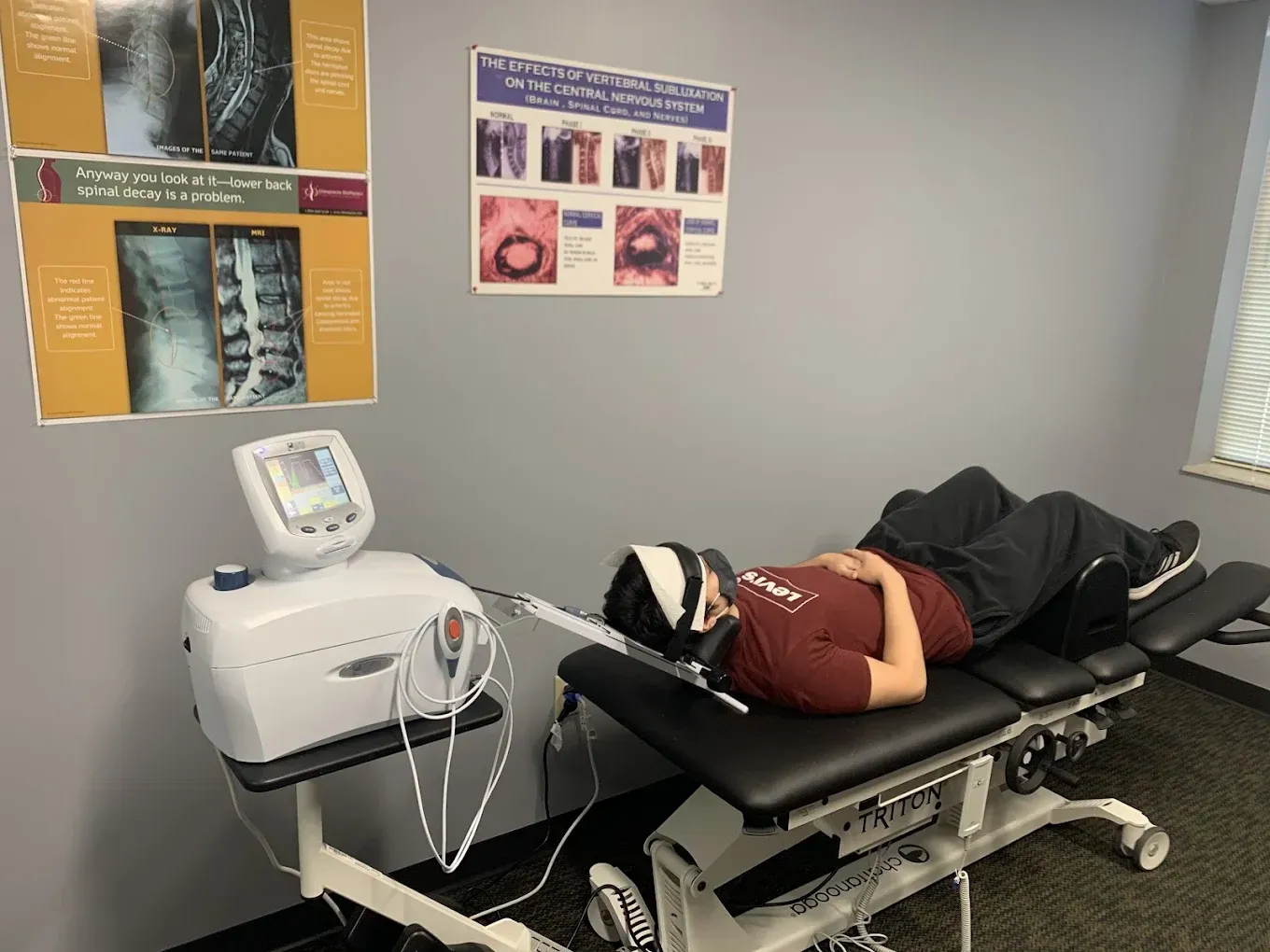
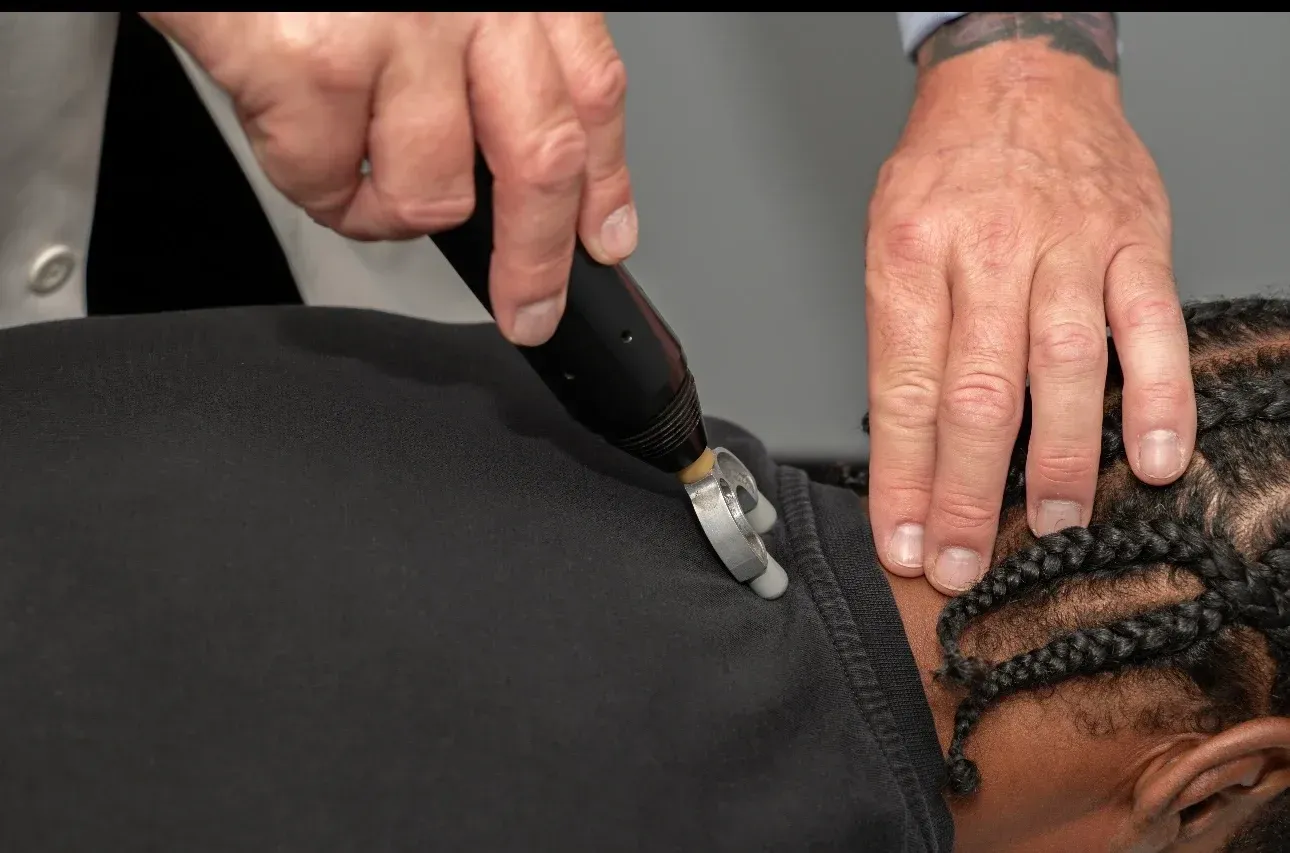
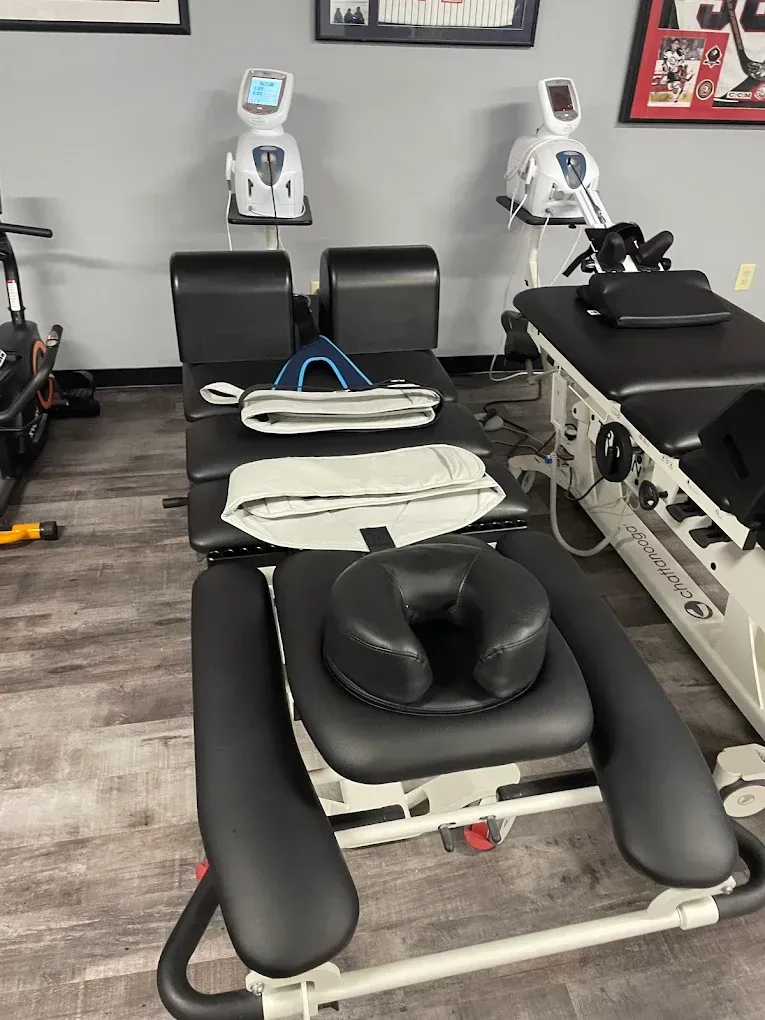
Spinal decompression uses a specialized traction table designed to gently stretch the spine in a controlled, targeted way. This process helps reduce pressure within the discs and may support improved movement and comfort over time. Each session is guided by your condition and adjusted based on how your body responds. Care is structured and monitored so your progress can be tracked across visits.
What to Expect From Decompression Care
A Step-by-Step Treatment Experience
Your first visit focuses on understanding your symptoms and confirming whether decompression is appropriate. If recommended, sessions are scheduled as part of a structured plan designed around your condition. Each visit builds on the previous one, with adjustments made based on your response to care. This approach helps keep treatment consistent and focused on measurable progress.
Compare Your Options Clearly
Understanding When Decompression Fits
Decompression Therapy
Best For
Disc-related pain, nerve pressure, post-accident issues
Approach
Technology-guided traction targeting discs
Goal
Reduce disc pressure and support recovery
Considerations
Requires evaluation to confirm fit
General Chiropractic Care
Best For
General stiffness or mild discomfort
Approach
Manual care focused on mobility
Goal
Improve movement and reduce tension
Considerations
May not address disc-specific issues
Referral-Based Care
Best For
Severe or non-responsive conditions
Approach
External specialist evaluation
Goal
Further investigation or advanced care
Considerations
May involve additional steps or providers
Not sure which approach fits your situation? A proper evaluation helps guide the right decision.
Common Questions About Spinal Decompression
Clear Answers Before You Start
Is spinal decompression good for a herniated disc?
It can be helpful for certain disc-related conditions, but it depends on your specific injury and should be determined through evaluation.
How does decompression therapy work?
It uses a controlled traction system to gently reduce pressure on spinal discs and nerves.
Is spinal decompression non-surgical?
Yes, it is a non-surgical therapy option used in appropriate cases.
Where can I get spinal decompression in Cincinnati?
Dr. Louis Valentine, LLC offers in-office decompression therapy as part of a structured treatment plan.
Take the Next Step Toward Relief
Start With a Clear Plan for Your Back Pain
You don’t have to assume surgery is your only option or continue dealing with unresolved back pain. Patients across Cincinnati come here to understand their condition and explore structured, non-surgical care options. Dr. Louis Valentine, LLC makes it easier to get answers, evaluate your options, and move forward with confidence. One visit can help you understand what’s possible and what to do next.
